PRAE EDITORIAL · VOLUME 01
Private Islands, Public Responsibility
A private island can offer extraordinary autonomy, but never ecological independence. Responsible ownership begins by treating coast, reef and community as connected infrastructure rather than background scenery.

WRITTEN FOR PRAE BY
Camille Rhys
Landscape and Ecology Writer
PUBLISHED
9 min read
Seclusion does not remove an island from shared systems of water, habitat, labour and climate risk; it makes those systems more visible.
Boundaries stop at the waterline
Property maps make islands appear complete and separate. Ecological maps show the opposite. Sediment moves from land to reef, groundwater responds to extraction, birds connect distant habitats and storms redraw the coast. Decisions made within one boundary can affect fisheries, navigation and communities far beyond it.
Serious due diligence therefore begins with systems. Freshwater availability, wastewater treatment, shoreline dynamics, habitat corridors and energy demand should be understood before design ambition is fixed. The smaller the island, the less room there is for mistakes to disappear.
Build less than the site allows
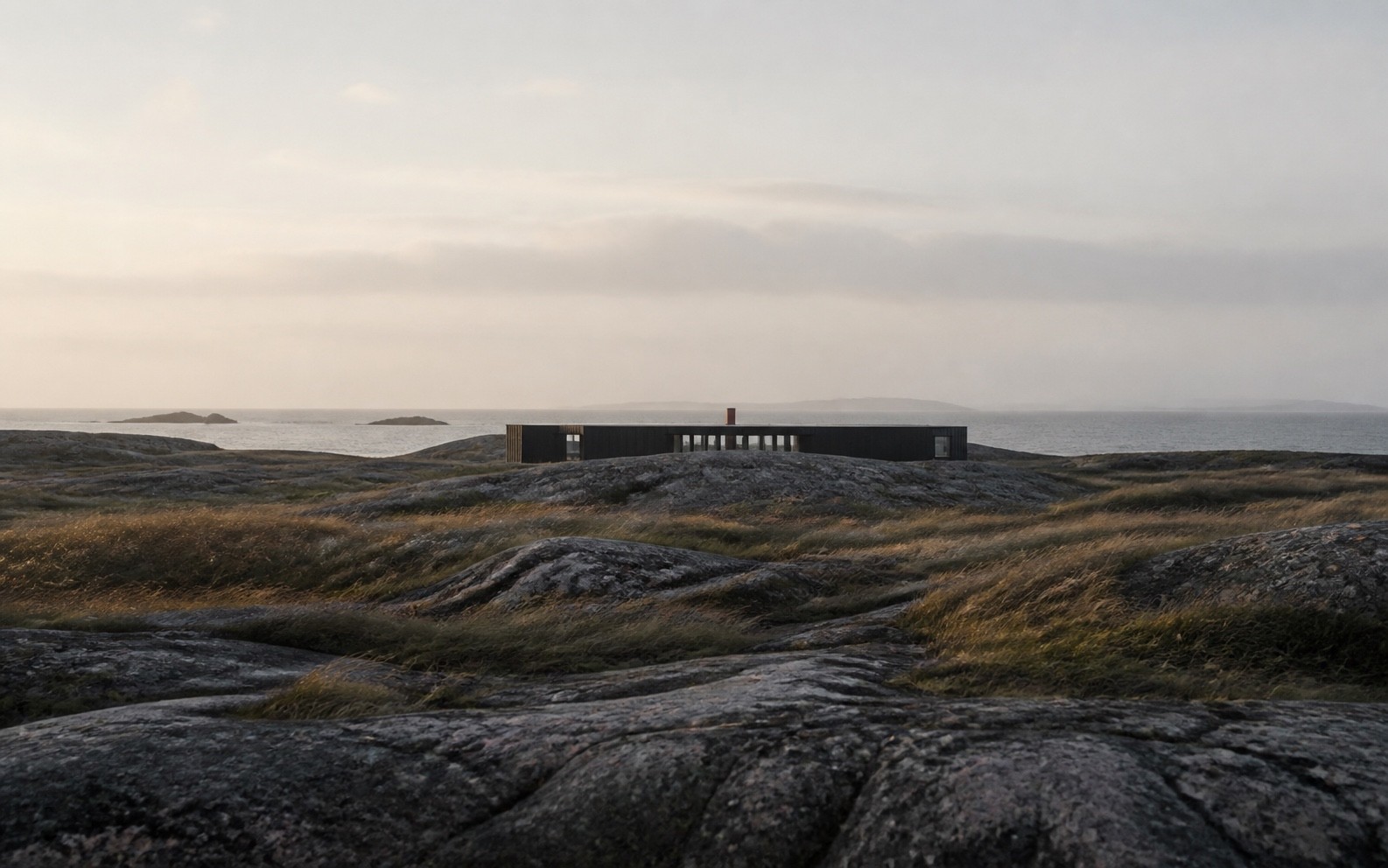
Planning permission defines a legal maximum, not an ethical target. Concentrating construction in previously disturbed areas can protect larger continuous habitats and simplify servicing. Elevated, reversible structures may reduce ground impact in some conditions, while in others a compact masonry building offers greater resilience. There is no universal aesthetic of low impact.
The useful measure is the total footprint of occupation: buildings, roads, staff housing, storage, power generation, waste, water and marine access. A modest main house supported by sprawling infrastructure is not modest.
Operations are the real architecture
An island may be beautifully designed and poorly run. Imported bottled water, unmanaged lighting, noisy generators and daily boat traffic can undermine every environmental claim. Conversely, careful operations can improve habitat over time through invasive-species control, reef monitoring, dark-sky protocols and credible waste management.
These systems require people. Staff knowledge, fair employment and relationships with nearby communities are not peripheral to stewardship; they determine whether the plan survives beyond its launch. Long-term conservation agreements can add continuity when ownership changes.
Privacy can fund protection
Private capital is capable of preserving vulnerable land, restoring habitat and supporting research at a meaningful scale. But protection should be measurable. Baseline surveys, transparent targets and independent review distinguish stewardship from branding.
The most responsible island properties do not pretend to be untouched. They acknowledge occupation and make it accountable. Seclusion becomes valuable not because it escapes shared responsibility, but because it creates the concentration of attention and resources required to practice it well.

Camille Rhys
Landscape and Ecology Writer
CONTINUE READING