PRAE EDITORIAL · VOLUME 01
Why Rammed Earth Feels Timeless
Rammed earth has become a familiar image in contemporary architecture, yet its appeal is deeper than color or texture. At its best, it changes how a room holds temperature, sound and time.

WRITTEN FOR PRAE BY
Elias North
Architecture Editor
PUBLISHED
7 min read
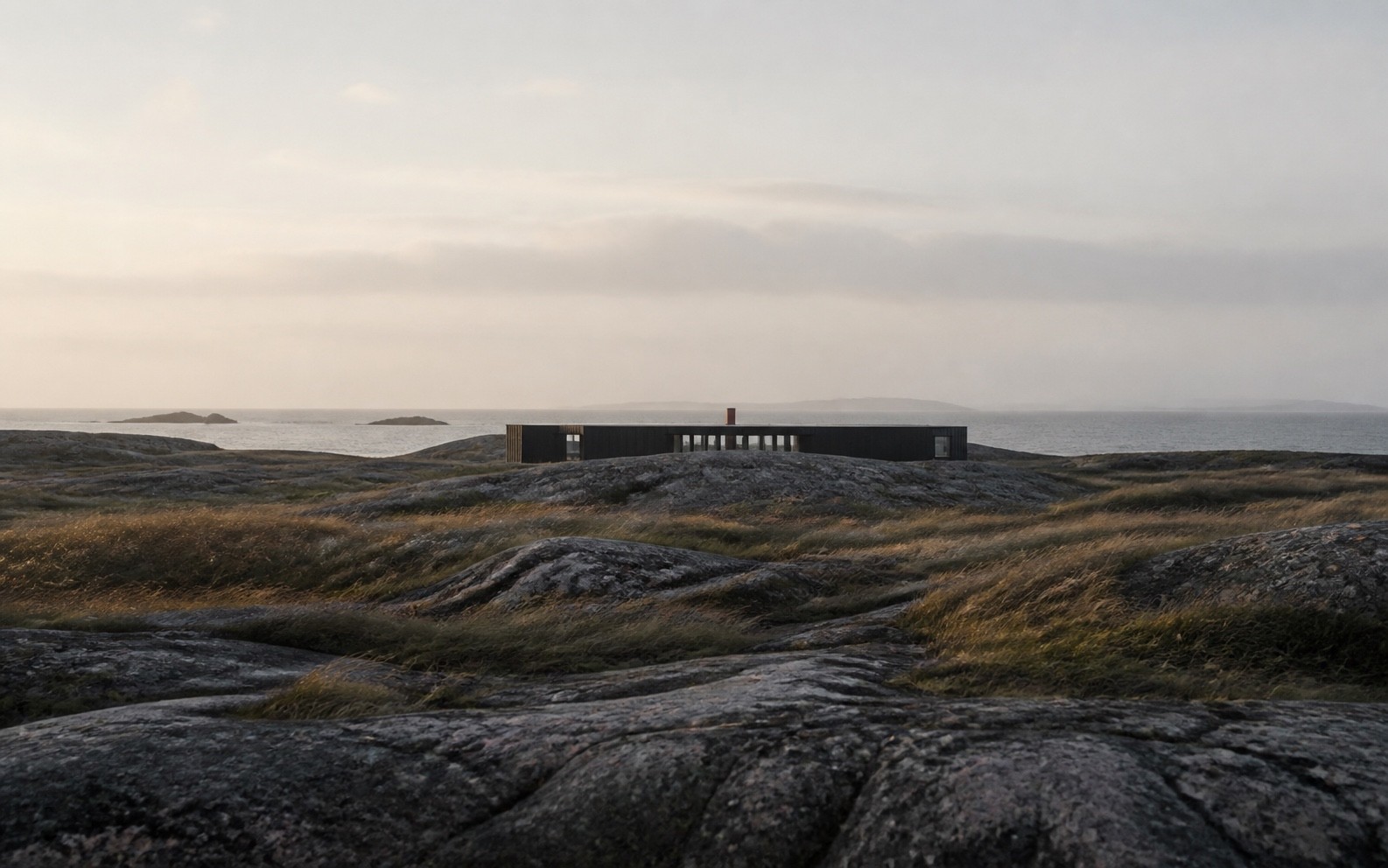
Layered earth makes construction legible: pressure, mineral, weather and time remain present in every wall.
A wall that records its making
Rammed earth is built in lifts. A damp mixture of soil and aggregate is compacted inside formwork, layer after layer, until it becomes a dense structural or enclosing wall. The horizontal strata remain visible after the forms are removed. Unlike a surface treatment applied at the end, the finished appearance is inseparable from the act of construction.
That legibility gives the material unusual calm. Minor variations are expected; they reveal changes in mineral content, compaction and moisture rather than reading as defects. The wall does not need decorative depth because its depth is literal.
Thermal weight, not instant performance
Earth is often discussed as if it were automatically sustainable or perfectly insulating. Neither claim is useful without context. Its strength is thermal mass: the ability to absorb and release heat slowly. In climates with meaningful temperature swings, that delay can stabilize interior conditions and reduce peak cooling or heating demand.
Insulation, rain protection and engineering still require careful decisions. A well-designed wall may combine earth with concealed insulation, generous foundations and precise cap details. Romantic construction language should never replace building science. The timeless result depends on contemporary rigor.
Sound and touch
Thick earth walls change the acoustic character of a room. Voices feel close, external noise is softened and hard reflections are reduced by the irregular surface. The psychological effect is equally important: weight is visible, edges feel grounded and openings become deep thresholds rather than thin cuts.
Touch matters too. Earth has a temperature and grain that remain perceptible beneath the hand. When details are restrained — timber at points of contact, bronze at a reveal, stone at the floor — the wall becomes the dominant atmosphere instead of one finish among many.
Patina without performance
The current popularity of rammed earth has produced convincing imitations and less convincing theatrics. A thin decorative layer can reproduce the stripes, but not the spatial consequence of mass. Conversely, an authentic wall can become visual noise when every surface competes for attention.
The most enduring projects let earth do fewer things well. It forms a court, holds a stair, tempers a west-facing room or frames a single view. Weathering is anticipated rather than disguised. The building appears settled because the material is allowed to be itself.
Timelessness is rarely the absence of style. It is the alignment of construction, climate and experience so complete that the work no longer needs to explain its era. Rammed earth can achieve that alignment with uncommon force.

Elias North
Architecture Editor
CONTINUE READING